
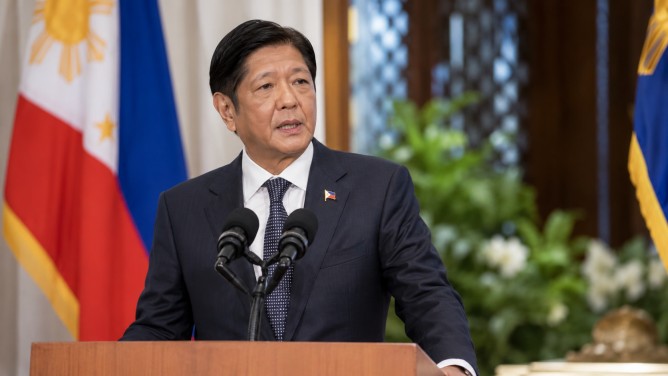
The Philippines is set to summon Chinese Ambassador Jing Quan following remarks he made that were perceived as a threat amid ongoing maritime disputes between the two nations. President Ferdinand Marcos Jr. announced his intention to meet with the ambassador after comments suggested that China could effortlessly win a confrontation with the Philippines by using force. This has raised concerns about the potential for escalating tensions in the region.
The Philippine Department of Foreign Affairs criticized the ambassador’s remarks, describing them as an implied threat that could jeopardize diplomatic relations. The department called for diplomatic restraint and emphasized the importance of avoiding language that could undermine mutual trust or impede constructive dialogue between the countries.
In response, the Chinese Embassy clarified that Ambassador Jing’s comments were not intended to suggest the use of force. Beijing, according to the embassy, remains committed to maintaining peaceful relations and encourages both nations to engage in dialogue, manage disagreements, and avoid actions that could heighten tensions.
This exchange comes amidst ongoing disagreements over maritime issues in the South China Sea, a region where both countries have vested interests. While both sides have expressed the need for dialogue, the recent remarks have added strain to the already complex bilateral relations.
As the Philippines prepares to address the issue with China, the call for diplomatic restraint highlights the delicate nature of international relations in the region. Both nations face the challenge of navigating their differences while maintaining peace and stability in the South China Sea.