
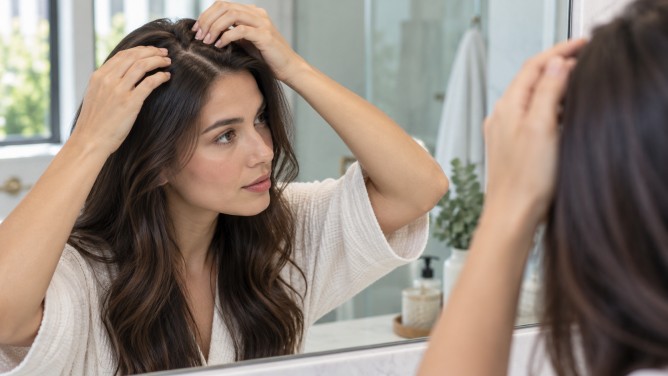
Ensuring a healthy scalp is crucial for maintaining vibrant and strong hair. While many focus on haircare products like shampoos, conditioners, oils, and serums, the condition of the scalp itself is often overlooked but equally important. Changes in scalp health can lead to noticeable symptoms such as discomfort, persistent flakes, and even changes in hair shedding patterns.
The scalp is a complex environment that naturally produces oil and sheds dead skin cells. When this balance is disrupted, irritation and other symptoms can arise. Recognizing these early signs can help adjust haircare routines or prompt seeking professional advice when necessary.
The health of the scalp is integral to protecting hair follicles and supporting normal hair growth. Its natural oils, microorganisms, and protective barrier are essential to its function. However, issues like excessive irritation or inflammation can affect scalp comfort and potentially lead to increased hair shedding.
There are five key warning signs that your scalp might require extra care: experiencing tightness or stinging after washing, recurring flakes, roots that become oily quickly, a coated or heavy feeling around the roots, and noticeable changes in hair shedding. Each symptom can indicate different underlying issues, from dandruff to product buildup, and may need tailored solutions such as using gentle shampoos or consulting a dermatologist for persistent problems.
For instance, tightness or stinging after shampooing can indicate irritation or a disrupted skin barrier, often due to harsh cleansing products or frequent washing. Recurring flakes, often mistaken for dryness, may be related to conditions like seborrhoeic dermatitis rather than infrequent washing. Meanwhile, an oily scalp isn’t necessarily unhealthy but requires appropriate cleansing routines.
Adopting simple habits can promote a healthier scalp. These include choosing suitable products, thoroughly rinsing out shampoo and product residues, and avoiding excessive scratching. For ongoing issues such as itching, redness, or unusual hair loss, professional evaluation is recommended to determine the best course of action.
Ultimately, a scalp that feels uncomfortable or exhibits persistent symptoms despite having clean-looking hair may signal the need for a revised care routine or professional advice. Understanding and addressing these signs can help maintain both scalp and hair health effectively.