
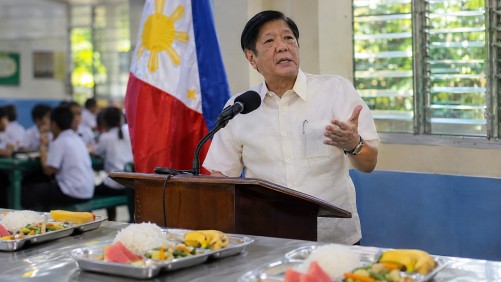
At the Philippine Multisectoral Nutrition Project (PMNP) Summit 2026 held in Clark, Pampanga, President Ferdinand Marcos Jr. emphasized the critical need for permanent child nutrition and feeding programs to combat malnutrition and enhance early childhood development in the Philippines. Highlighting the progress made through the PMNP, he noted significant improvements in child stunting across 134 out of 235 participating municipalities.
As of September 30, 2026, the initiative has reached approximately 6.17 million beneficiaries, including around 549,000 children under five. Despite these strides, malnutrition persists as a substantial issue, with about one in four children under five affected by stunting in 2025. Marcos stressed the importance of consistent government funding and making nutrition programs a long-term priority to address these challenges effectively.
The president underscored the importance of nutritional support during the first 1,000 days of a child’s life, which spans from pregnancy to the second birthday. This period is crucial for preventing stunting and promoting healthy growth. Marcos called for enhanced collaboration between national and local governments, healthcare providers, and communities to ensure the sustainability and effectiveness of nutrition programs.
Marcos also highlighted the role of healthcare services, access to clean water, sanitation, and early childhood support in improving children’s nutritional status. He urged government agencies and local authorities to prioritize these areas as part of comprehensive community development strategies.
The PMNP’s accomplishments demonstrate that targeted interventions can lead to meaningful improvements in child nutrition and growth. However, the ongoing prevalence of malnutrition indicates the need for sustained efforts and resources to fully address this public health concern.