
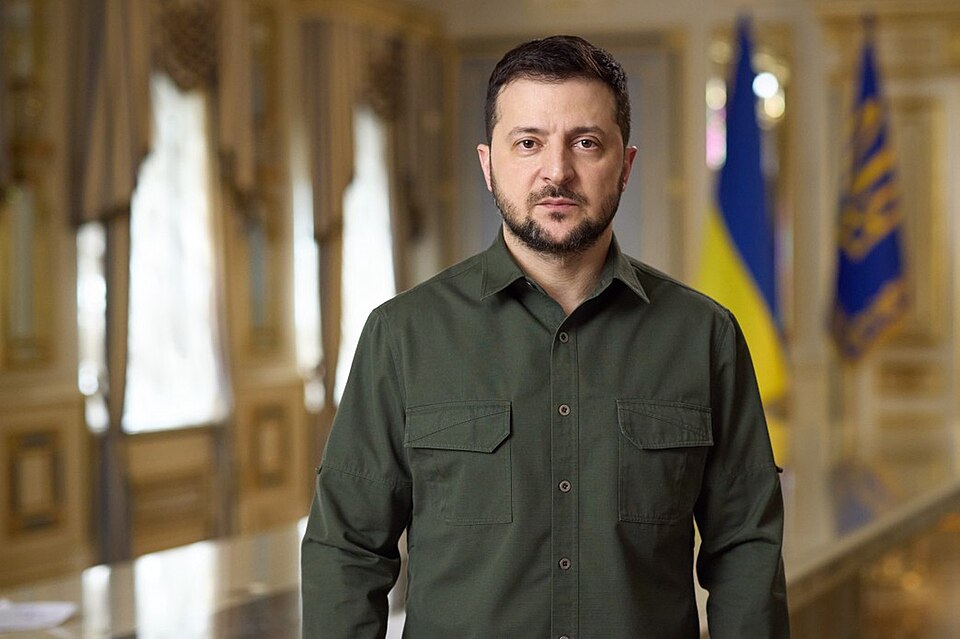
The absence of Ukrainian President Volodymyr Zelenskyy at the Ukraine Recovery Conference in Poland underscores rising tensions between Kyiv and Warsaw, fueled by a historical controversy. This conference, designed to attract global support and investment for Ukraine’s post-war reconstruction, will see a Ukrainian delegation led by Prime Minister Yulia Svyrydenko in Gdańsk, Poland, instead of Zelenskyy himself.
The friction between the two nations traces back to Zelenskyy’s endorsement of naming a Ukrainian military unit after the Ukrainian Insurgent Army (UPA). While many Ukrainians regard the UPA as a symbol of their struggle for independence, it is also associated with the killing of thousands of Poles during World War II, a point of contention for Polish officials. This move drew criticism from Poland, with President Karol Nawrocki accusing Ukraine of overlooking historical grievances, further complicating diplomatic ties that had been strong following Russia’s invasion of Ukraine.
Zelenskyy defended the naming decision, asserting that military units are entitled to choose names that resonate with Ukraine’s historical narrative. He also cautioned that allowing political disputes to fester could undermine the essential cooperation between Ukraine and Poland, especially given the ongoing security challenges in the region.
Amid these tensions, Polish Prime Minister Donald Tusk called for calm, emphasizing that the strategic partnership between Ukraine and Poland should not suffer over such disagreements. Tusk’s appeal highlights the importance of maintaining a united front despite historical differences, as both nations face the broader threat posed by Russia.
European officials have echoed these concerns, warning that deteriorating relations between these neighboring allies could inadvertently benefit Russia. They stressed the necessity for continued collaboration, urging both countries to prioritize their geopolitical alliance over historical disputes.