
In a move that underscores a potential escalation in economic pressure on Moscow, the United States has decided not to renew its waiver on sanctions related to Russian oil purchases. The waiver’s expiration indicates a shift in U.S. policy as the Trump administration seeks to limit Russia’s oil revenue amid the ongoing conflict in Ukraine. Previously, the waiver allowed limited oil transactions involving Russian giants like Rosneft and Lukoil, despite broader sanctions. However, with its lapse, there’s an implication of stricter enforcement, although officials have yet to clarify whether this automatically reinstates full sanctions.
This decision aligns with a recent U.S. agreement with Iran, aiming to stabilize global energy markets by reintroducing Iranian oil under eased sanctions. The agreement includes a 60-day negotiation framework, potentially bringing Iranian exports back into the global fold. The timing of these two developments appears to signal a strategic realignment in U.S. energy policy, focusing on altering global supply dynamics and mitigating price fluctuations.
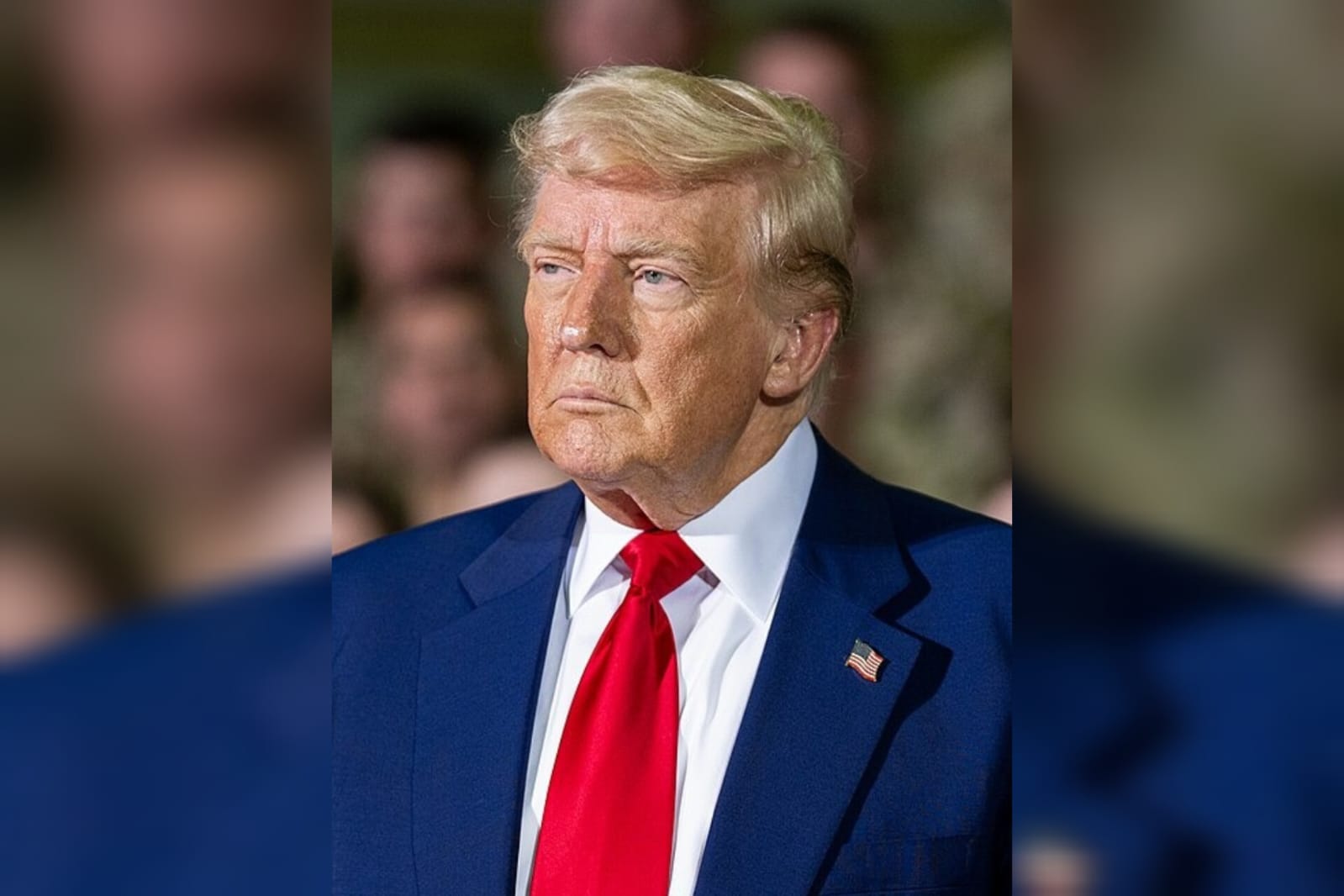
President Donald Trump has suggested that the move away from the waiver is partly due to falling global oil prices, positing that increased oil output from the Middle East lessens the necessity for emergency exemptions. As Iranian oil gradually returns to the market, experts warn that it may take time to fully restore Iran’s production and shipping capabilities. Nonetheless, the combination of expanding Iranian oil presence and the tightening restrictions on Russian oil exports is expected to significantly impact global oil balances in the near future.
While the White House has not confirmed the introduction of further sanctions, officials have indicated that several factors will influence future policy decisions. Energy prices, market stability, and geopolitical considerations will remain pivotal in shaping the U.S.’s approach. The current policy adjustments reflect a broader effort to reshape global energy supply chains and address the complexities of international oil markets.