
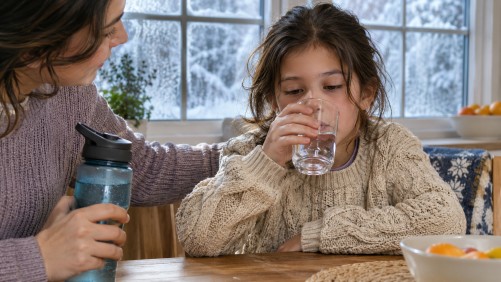
As temperatures drop, it’s important for parents to be aware that dehydration isn’t just a summer issue. Children can become dehydrated during winter months, largely because the colder weather reduces their natural inclination to drink water. Despite the reduced sweating, their bodies still require adequate fluids for essential functions such as digestion, waste removal, and maintaining body regulation.
During winter, the risk of dehydration increases because children may unintentionally drink less water throughout the day, which can also lead to constipation. Parents should keep a close eye on their children’s hydration habits and look out for signs that could indicate dehydration.
Several common signs of winter dehydration include dark-colored urine, which suggests a lack of adequate fluid intake, and reduced frequency of urination. Constipation and the development of hard, dry stools are also indicators that a child may not be drinking enough water. Recognizing these symptoms early can help parents take necessary action to avoid more severe health issues.
To ensure children stay hydrated during the colder months, parents can adopt a few simple strategies. Offering small amounts of water regularly throughout the day, including during indoor activities, can help maintain hydration. Incorporating warm soups and homemade broths into meals provides fluids and additional nutrients. Milk and other warm beverages can also contribute to daily fluid intake, while water-rich fruits like oranges and grapes offer a tasty alternative to plain water.
Encouraging children to drink water regularly, such as after waking up, between meals, and after outdoor play, helps establish good hydration habits. It’s also crucial for parents to monitor any changes in their children’s energy levels, urination, and bowel movements. Should a child display symptoms of severe dehydration, such as unusual drowsiness, a very dry mouth, sunken eyes, or inability to retain fluids, immediate medical attention should be sought.
By integrating these practices into daily routines, parents can help prevent winter dehydration, supporting their children’s overall well-being and ensuring that essential bodily functions remain healthy throughout the colder months.