
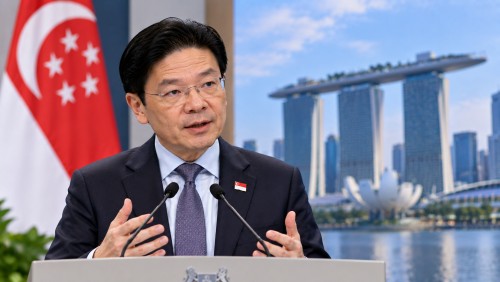
In the midst of a parliamentary debate on political salaries in Singapore, Prime Minister Lawrence Wong reflected on the pivotal moment in 2011 when he transitioned from civil service to politics. The debate followed the government’s acceptance of recommendations from an independent review committee to adjust the salaries of political officeholders by up to 9% from October 2026, based on individual performance and circumstances.
Wong’s leap into the political arena began when he resigned as chief executive of the Energy Market Authority. This move, which he described as a “complete leap of faith,” came at the cost of his civil service pension, as he had not yet reached the required 15-year service period. Despite the uncertainties regarding his potential electoral success, responsibilities, or remuneration, Wong was motivated by a commitment to contribute to Singapore’s progress and assume a new form of public responsibility.
Since entering politics, Wong has held several ministerial roles and ultimately became prime minister. He emphasized that political service involves navigating challenging decisions, setting strategic goals, and being accountable for governmental outcomes. His remarks underscored the importance of encouraging new generations to embrace such responsibilities in service of the nation.
During the parliamentary session, Wong articulated the broader goal of ensuring that capable Singaporeans continue to view political service as a viable career path. This objective aligns with the principle that public office should be pursued primarily out of a sense of duty to serve the community, rather than personal gain.
As Singapore navigates the complexities of governance and leadership, Wong’s personal journey serves as a testament to the sacrifices and commitments required of those who choose to serve in public office. His experience highlights the enduring need for dedicated individuals willing to lead the nation through future challenges.