
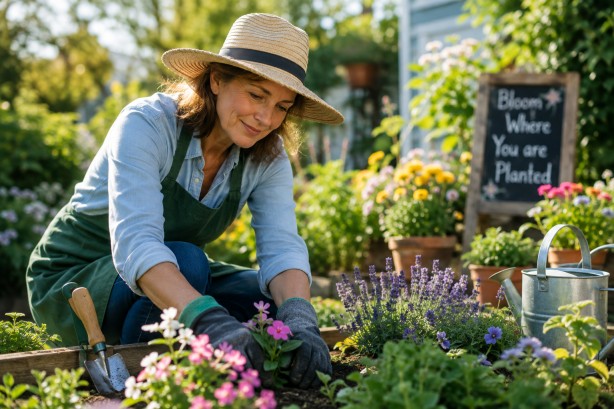
While gardening is often embraced as a soothing pastime, its potential benefits extend far beyond creating a visually pleasing garden. Engaging in regular gardening activities combines physical exercise, time spent outdoors, sensory engagement, and a connection to nature, all of which can significantly enhance overall well-being. Extensive research has highlighted various physical and mental health advantages linked to gardening, making it a valuable pursuit for a healthier lifestyle.
One of the key benefits of gardening is its positive impact on cognitive health. The activity requires a blend of movement, planning, and sensory engagement. Tasks such as selecting plants, remembering care schedules, and working with soil offer continual mental stimulation. Studies have suggested that regular gardening is associated with improved cognitive functioning, likely due to the combination of physical exertion, mental focus, and emotional uplift it provides.
Moreover, gardening serves as an effective stress reliever. Being surrounded by greenery fosters a calming ambiance that helps alleviate stress. Activities like planting, watering, pruning, and simply enjoying nature offer a respite from everyday pressures. Reduced stress levels are closely linked with improved overall health, suggesting that integrating gardening into daily routines could be beneficial for maintaining balanced well-being.
Adding to its merits, gardening encourages physical activity and more time spent outdoors. The various tasks involved—such as digging, planting, and carrying materials—engage different muscles, promoting physical movement. For those who lead sedentary lifestyles, gardening presents an accessible means to increase daily activity while engaging in a rewarding task. Additionally, spending time outside exposes individuals to daylight, aiding in the production of vitamin D, essential for bone health and immune function. However, it’s important to balance sun exposure with adequate protection during peak sunlight hours.
Finally, the integration of gardening into one’s lifestyle can support long-term health. The amalgamation of physical activity, stress reduction, outdoor exposure, and healthier habits contributes to better long-term health outcomes. Research indicates that gardening is linked to improved cardiovascular health and reduced risks of certain chronic conditions, especially among older adults. While it is not a standalone solution for longevity, incorporating gardening into an active and balanced lifestyle can support healthier aging. Importantly, gardening does not demand extensive space or expertise; even growing a few herbs, maintaining indoor plants, or tending to flowers can offer the opportunity to move, relax, and connect with nature, transforming it from a mere hobby into an essential aspect of daily life.