
Framing his economic policy as a direct corrective to the Biden years, Donald Trump has announced a one-year cap on credit card interest rates at 10%. The announcement, made on Truth Social, explicitly targeted the “Sleepy Joe Biden Administration” for allowing rates to “fester” at levels of 20-30%. Trump declared that starting January 20, his administration would step in to stop credit card companies from exploiting American families.
The political timing of the move is sharp. By tying the high rates to Biden and offering a populist solution, Trump is aiming to consolidate support among working-class voters. The reality of $1.17 trillion in national credit card debt provides a fertile ground for such messaging. Many Americans feel crushed by the weight of high-interest debt, and Trump’s promise of a 10% cap offers a tangible, if controversial, solution.
However, the economic feasibility of the plan is being questioned by experts across the board. The banking industry has warned that such a cap would lead to unintended consequences, specifically the restriction of credit. In a joint statement, major financial groups argued that a 10% cap would force them to deny loans to riskier borrowers, effectively shrinking the financial safety net for millions.
Senator Bernie Sanders, who has long advocated for similar caps, found himself in a strange position. Just a day before the announcement, he had criticized Trump for inaction. Now, with Trump adopting his policy, the lines between progressive and populist conservative economics are blurring. Senator Josh Hawley cheered the move, while Senator Elizabeth Warren remained skeptical of Trump’s true intentions and legal authority.
The reaction from Wall Street has been jittery. Hedge fund manager Bill Ackman warned that the policy could trigger a wave of credit card cancellations. He noted that if banks cannot price for risk, they will exit the market. As the January 20 implementation date nears, the clash between political rhetoric and economic reality is set to intensify.
“Sleepy Joe” Legacy Under Fire: Trump Announces Rate Cap
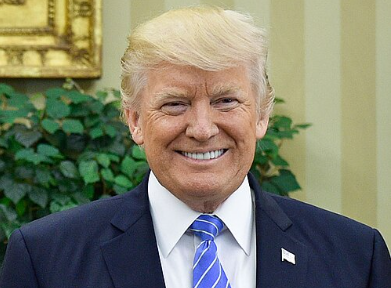
Photo by Presidency of Ukraine, via wikimedia commons
46