
As global temperatures rise, travelers are increasingly turning their attention to the northern and Atlantic coastlines of Europe, seeking milder climates and less crowded beaches than those found in traditional Mediterranean hotspots. These regions, stretching from the Baltic Sea to Iceland and northern Spain, offer a unique blend of natural beauty, tranquility, and adventure. The coastal areas provide an ideal escape for those looking to unwind while engaging in outdoor activities.
Latvia’s Saulkrasti, a seaside town easily accessible from Riga, features long stretches of sandy beaches, aromatic pine forests, and serene walking trails. It has become a favored spot for summer visitors interested in beach strolls, picnics in the forest, and refreshing swims in the Baltic Sea. Meanwhile, in France, Brittany’s Côte d’Émeraude presents family-friendly beaches, charming coastal towns, and consistently pleasant weather throughout the summer. Dinard, in particular, offers a quieter experience compared to the more bustling Saint-Malo, with its stunning coastal views, local markets, and authentic Breton cuisine.
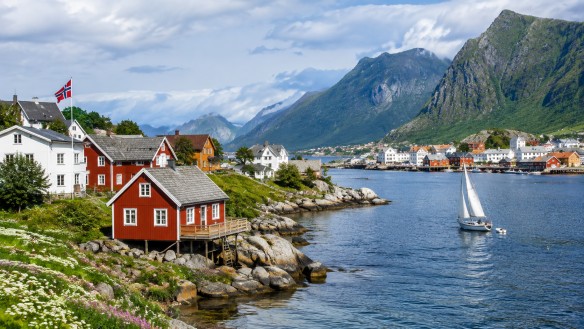
Finland’s Yyteri Beach is a must-visit for nature enthusiasts, boasting one of the longest sandy beaches in the country. The area is perfect for swimming, beach volleyball, and exploring adjacent sand dunes and hiking trails. Visitors can also immerse themselves in the traditional Finnish sauna culture. In Norway, the Varangerfjord region captivates with its dramatic Arctic landscapes, abundant wildlife, and historic fishing villages. Birdwatchers and history buffs alike will find plenty to explore on the islands and coastal heritage sites surrounded by pristine natural beauty.
Further south, Poland’s Sopot, near Gdańsk, combines expansive sandy beaches with a lively promenade, local dining options, and one of Europe’s longest wooden piers, creating an inviting environment for families. Ireland’s Fanad Peninsula in County Donegal offers quiet beaches, rugged cliffs, and stunning Atlantic vistas, featuring landmarks like the Fanad Head Lighthouse and scenic coastal drives. In Iceland, Akureyri provides a cooler summer climate, geothermal pools, whale-watching opportunities, and breathtaking fjord landscapes, with Forest Lagoon offering a tranquil spa experience amidst nature.
Germany’s Baltic coast lures visitors with historic Hanseatic towns such as Greifswald, nearby beaches, medieval architecture, and easy access to the island of Rügen. In Sweden, Sandhammaren Beach is renowned for its soft white sands and clear waters, surrounded by a nature reserve teeming with wildlife. The area also offers a historic lighthouse, cozy local cafés, and nearby coastal villages that exude Scandinavian charm. Spain’s northern coast, particularly the city of Gijón, provides a refreshing alternative to the southern beaches, with comfortable summer temperatures, sandy shores, and vibrant cultural events. These destinations demonstrate that Europe’s cooler coastlines offer the perfect blend of scenic beauty and outdoor activities without the oppressive heat often associated with southern beach resorts.